
The hospital is behind you. Here's what you eat next.
Recover rebuilds eating patterns after stroke — recalibrating sodium thresholds, reintroducing anti-inflammatory fats, and mapping texture-safe meals to your exact dysphagia grade. One meal plan at a time.
Stroke Recovery Calculator
Let’s build your
nutritional baseline.
Three questions. Real-time clinical targets. No email required.
Select one to activate real-time targets
Early recovery window — metabolic demands are highest now.
Provisional Targets
Complete the questions to see your personalized targets.
Daily Sodium Target
Select stroke type to calculate
Anti-Inflammatory Food Score
Answer all three questions
Score out of 100 — updates with your inputs
Recommended Texture Protocol
—
Based on IDDSI international framework
These are provisional estimates. A full 12-question intake generates a personalized plan reviewed by a registered dietitian.
Who This Is For
Three different people. One clinical need.
Post-stroke nutrition isn't one size fits all. Tell us who you are and we'll show you exactly what we do for you.
Stroke Survivor
You're home. The fridge is full. You don't know where to start.
Eight weeks post-discharge, every meal feels like a test you haven't studied for. We give you a specific, safe, anti-inflammatory plan — not a pamphlet, not generic advice.
- Sodium targets calibrated to your stroke type
- Texture-safe meals you can actually cook
- Anti-inflammatory fats reintroduced systematically
- Weekly meal grids with macro breakdowns
Adult Child Caregiver
You're three states away, managing every meal from a text thread.
You know your parent needs to eat differently now, but the discharge paperwork doesn't tell you what to actually buy or cook. We give you a shareable, caregiver-ready protocol.
- Printable weekly meal plans for handoff
- Grocery lists by texture category
- Medication-nutrient interaction flags
- Care team communication templates
Speech-Language Pathologist
You've classified the dysphagia. Now your patient needs a dietitian who speaks IDDSI.
We're a direct referral partner for SLPs. We receive your dysphagia grade and build a nutrition plan that respects your texture prescription — then report back to you.
- IDDSI Level 3–7 meal planning across all grades
- Bi-directional SLP referral protocol
- Caloric density maintenance in restricted textures
- Shared care documentation for the medical record
01 — Metabolic Assessment
Why your blood work from discharge isn't a nutrition plan.
Clinical Reasoning
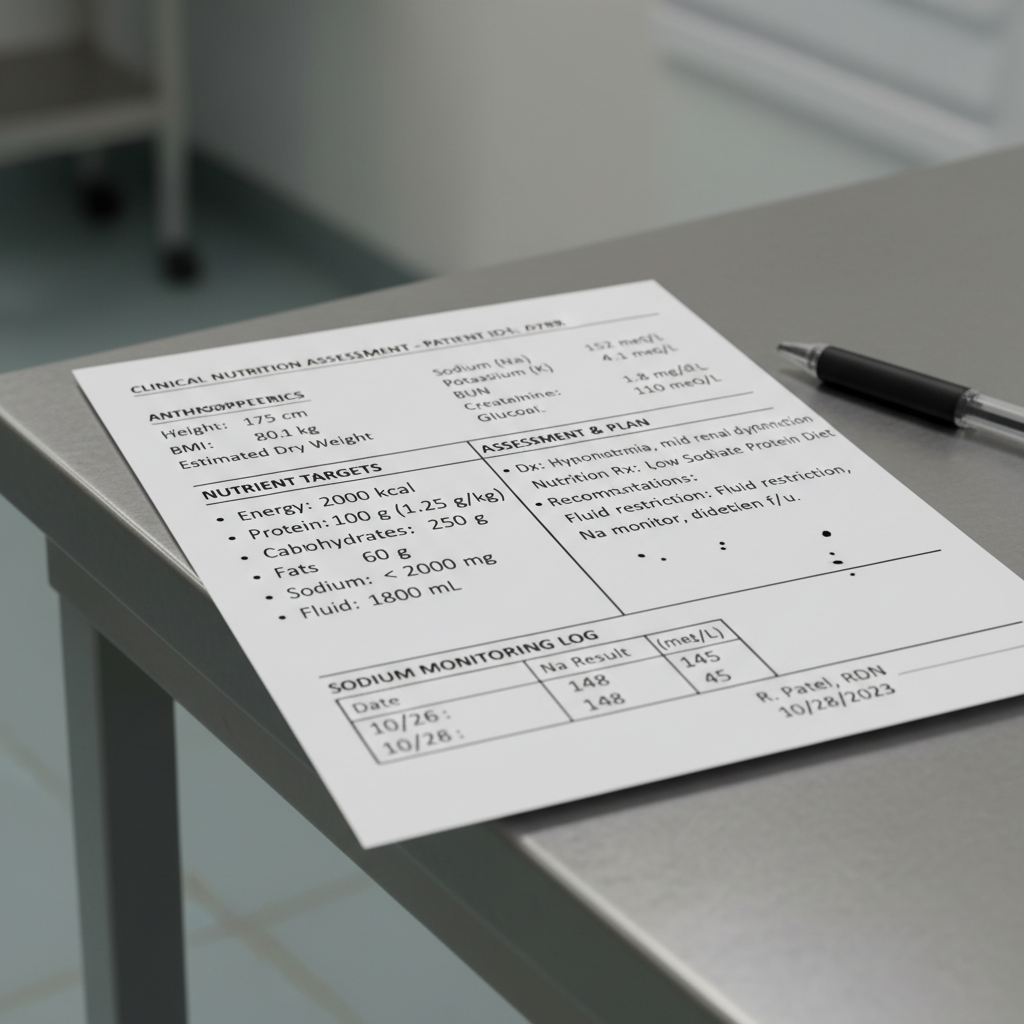
Post-stroke metabolism shifts significantly within the first 8 weeks. Inflammation markers remain elevated, insulin sensitivity changes, and the body's handling of sodium is altered by neurological damage to blood pressure regulation pathways. A standard hospital discharge summary tells you what happened — a metabolic assessment tells you what to eat next.
Sample 7-Day Metabolic Baseline Report
Outcome Metric
of clients reach their sodium target within 4 weeks of starting a metabolic-calibrated meal plan.
02 — Texture Mapping
Dysphagia isn't one thing. Your meal plan shouldn't treat it like it is.
Clinical Reasoning
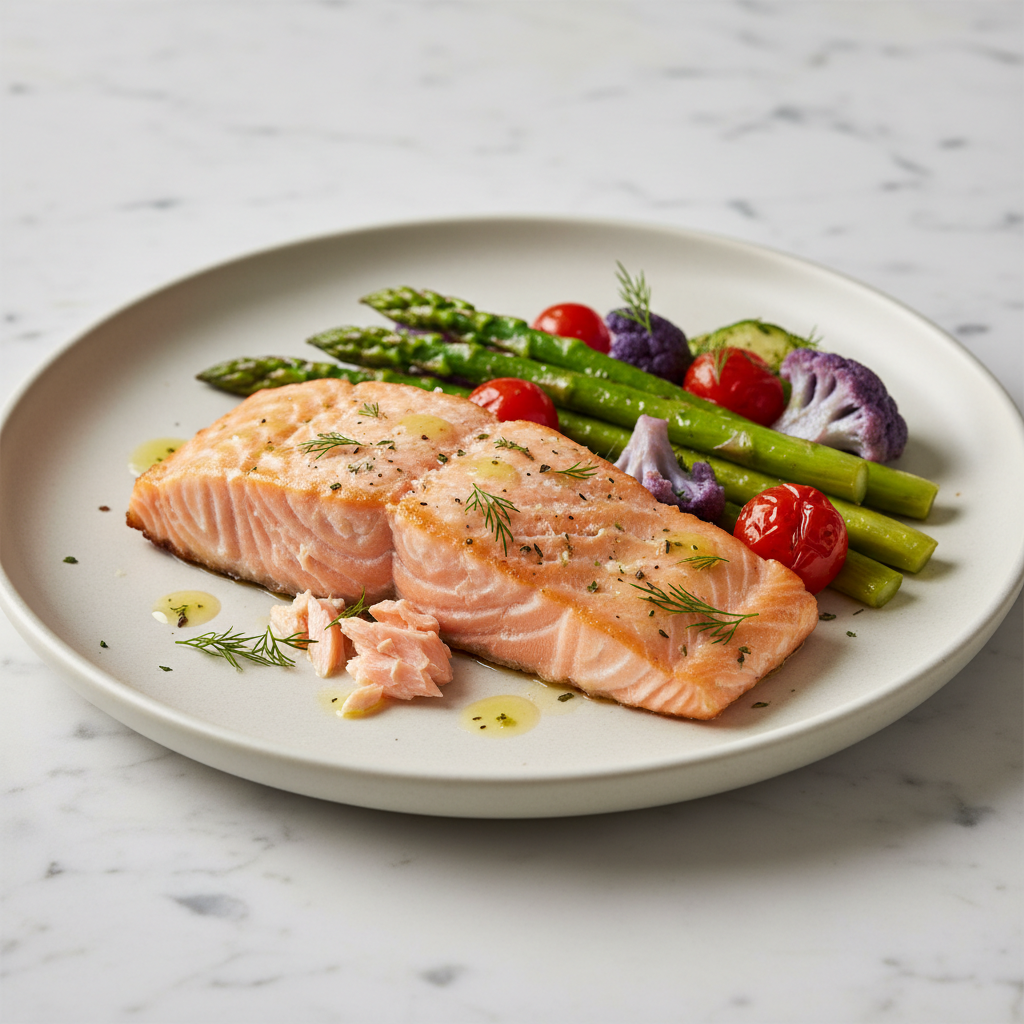
The International Dysphagia Diet Standardisation Initiative (IDDSI) defines seven texture levels from liquidised to regular. Most post-stroke discharge summaries say "soft foods." That's not a protocol — that's a guess. We work from your SLP's dysphagia grade and build a meal plan that matches your exact texture prescription, while maintaining caloric density and nutritional adequacy.
IDDSI Texture-Mapped Meal Grid (3-Day Sample)
Outcome Metric
of clients with moderate dysphagia maintain caloric adequacy using texture-mapped meal plans vs. 54% on generic soft-food guidance.
03 — Meal Architecture
A meal plan you can actually execute at 6pm on a Tuesday.
Clinical Reasoning
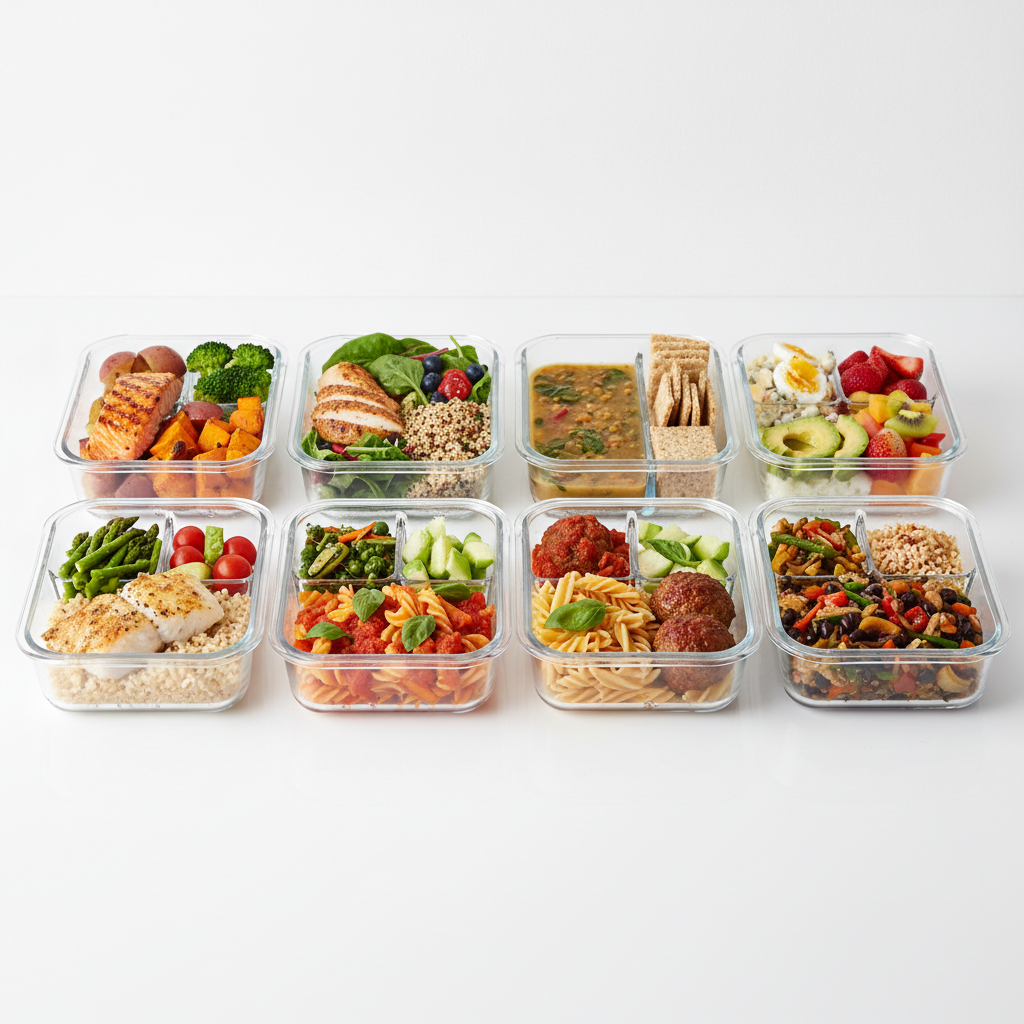
Clinical nutrition plans fail at the grocery store and the stove, not in the dietitian's office. Meal architecture means building plans around real cooking independence levels — from fully independent to caregiver-dependent — with batch-cooking strategies, ingredient overlap, and preparation methods that work for someone managing post-stroke fatigue.
Full 7-Day Meal Architecture Grid (Week 1 Sample)
Outcome Metric
improvement in dietary adherence when meal plans include batch-cooking structure vs. open-ended food lists.
04 — Medication-Nutrient Interactions
Warfarin and leafy greens. Statins and grapefruit. These aren't myths.
Clinical Reasoning
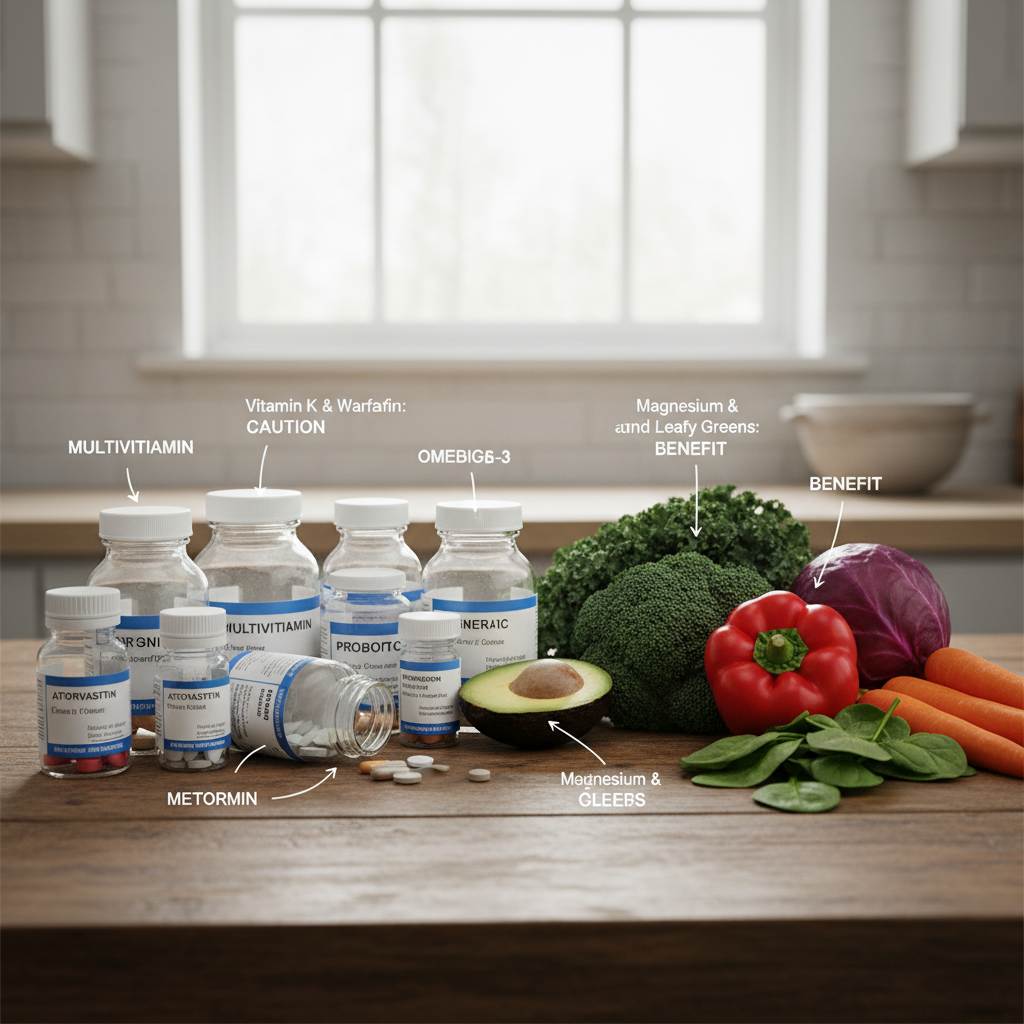
Post-stroke medication regimens commonly include anticoagulants, antihypertensives, and statins — each with documented interactions with specific foods and nutrients. Vitamin K affects warfarin efficacy. Grapefruit compounds inhibit statin metabolism. Potassium-rich foods interact with ACE inhibitors. We map every medication against your nutrition plan before a single meal is built.
Medication-Nutrition Interaction Screen (Sample)
Outcome Metric
of client meal plans are screened for medication-nutrient interactions before delivery. Zero plans issued without this step.
05 — Caregiver Protocols
The person doing the cooking also needs a protocol.
Clinical Reasoning
In post-stroke recovery, the caregiver is often the de facto nutrition implementer. Protocols that don't account for caregiver capacity, geography, and food literacy fail — not because they're clinically wrong, but because they're practically impossible. Every Recover plan includes a parallel caregiver protocol: same clinical targets, different format, designed for someone who may be managing from another city.
Caregiver Protocol Package (Included in Every Plan)
Outcome Metric
higher plan adherence at 8 weeks when a structured caregiver protocol is provided alongside the patient meal plan.
Clinical Intake Assessment
Get Your Recovery Nutrition Plan
12 clinical questions. One personalized plan. Reviewed by a registered dietitian within 48 hours.
What type of stroke occurred?
Are you an SLP or physician? Use our care team referral pathway →
The Next Step
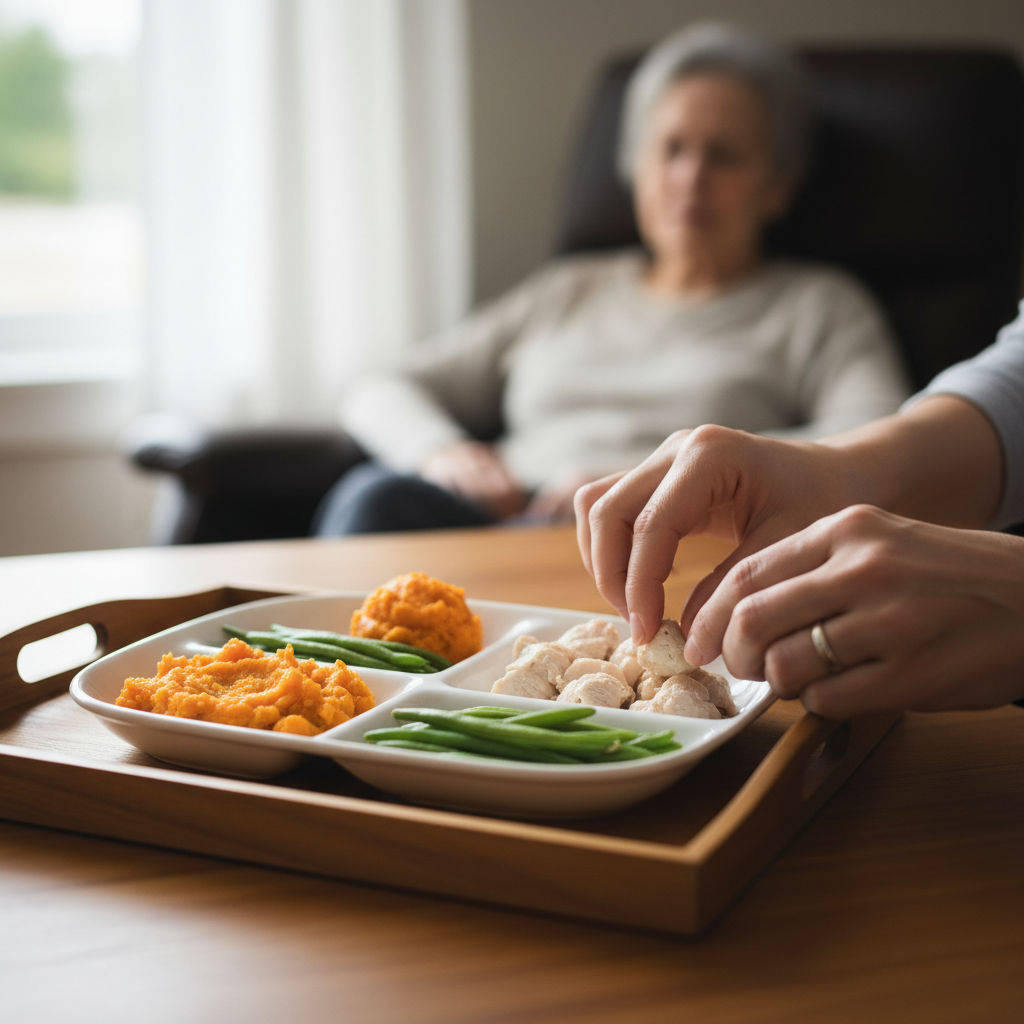
Clean daylight. A quiet kitchen.
Someone calm beside you saying: here's what we do next.
Complete the 12-question clinical intake. A registered dietitian reviews your responses and delivers a personalized nutrition plan within 48 hours.